Detailed Analysis
Anthropic's official Claude tutorials page reflects a deliberate educational strategy aimed at onboarding users across a broad spectrum of skill levels and use cases, from basic chat interactions to sophisticated developer workflows. The page lists a curated set of written guides and video lessons covering features such as Claude Code, the Cowork environment (described as a "research preview"), plugin development, model selection, and domain-specific applications like financial services. The breadth of topics signals that Anthropic is actively investing in user education as a core part of the product experience, recognizing that AI assistant adoption is as much a learning challenge as a technical one.
The inclusion of a "research-backed curriculum" titled "Getting good at Claude" is a notable signal of Anthropic's pedagogical ambitions. Rather than offering piecemeal documentation, the company appears to be structuring learning pathways that guide users from foundational skills toward more complex workflows, an approach more commonly associated with formal educational platforms than consumer software products. This positions Claude not merely as a tool but as a skill domain in itself, one that rewards deliberate practice and structured study. The mention of "visuals that appear as you study with Claude" further suggests interactive or adaptive learning features are being tested within the product.
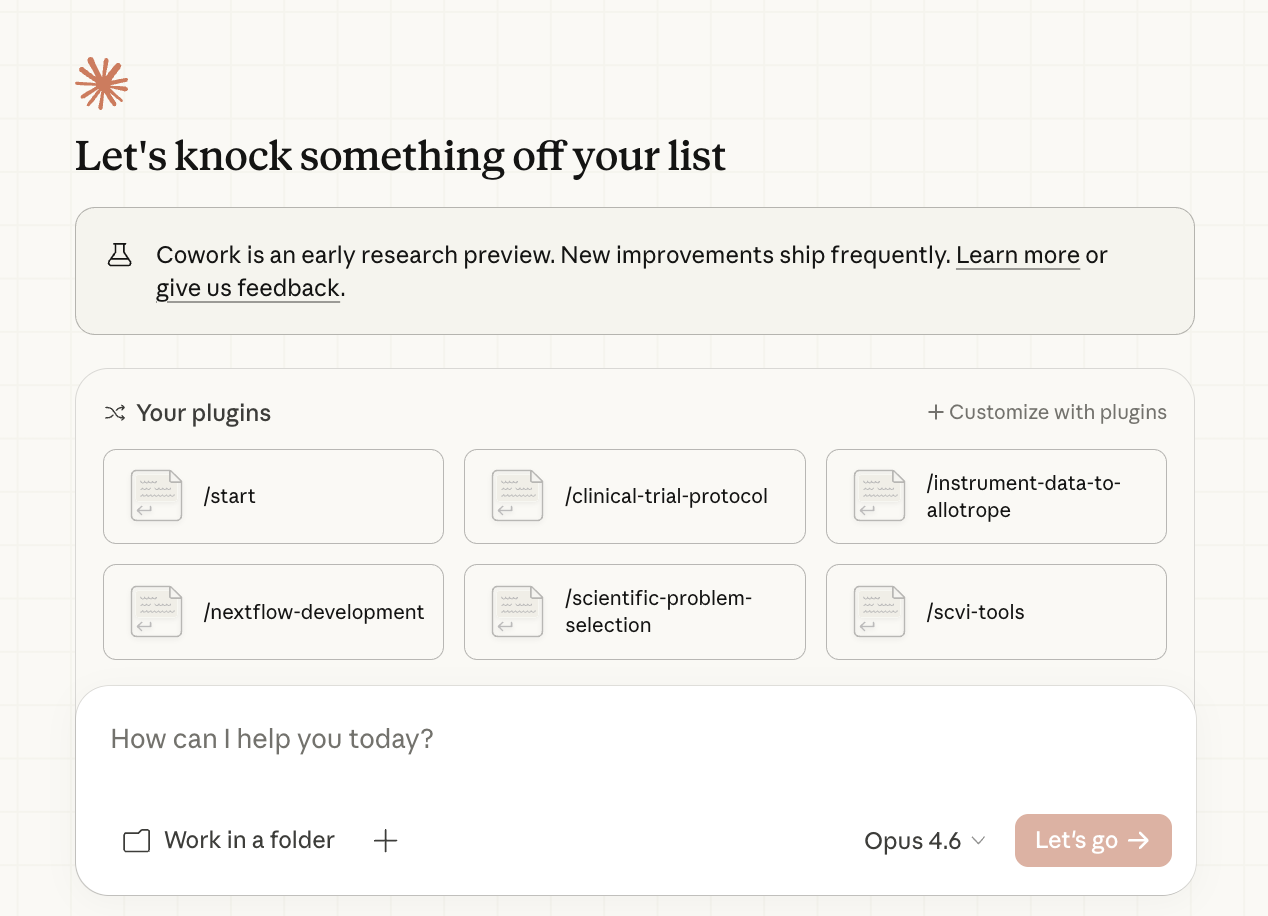
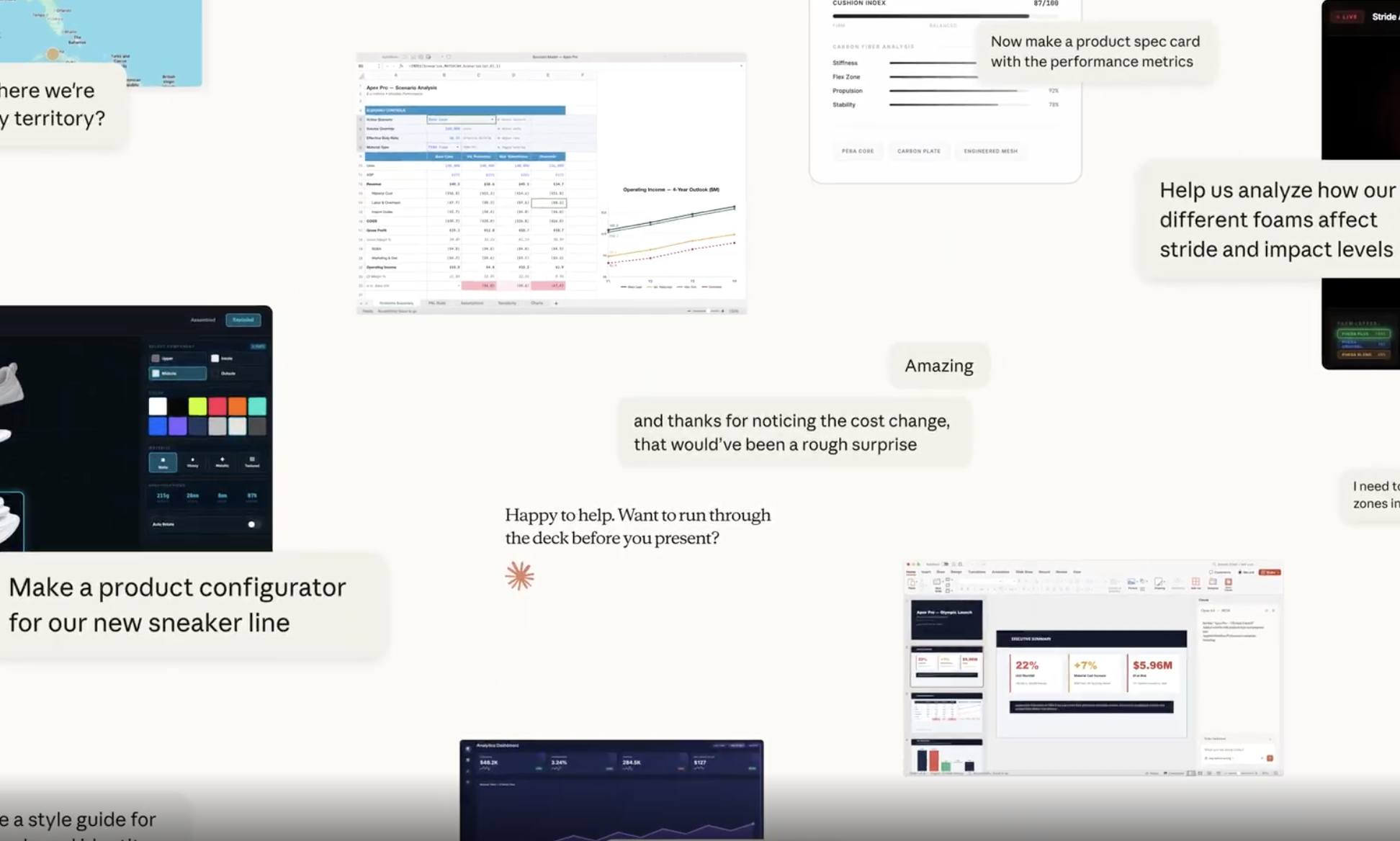
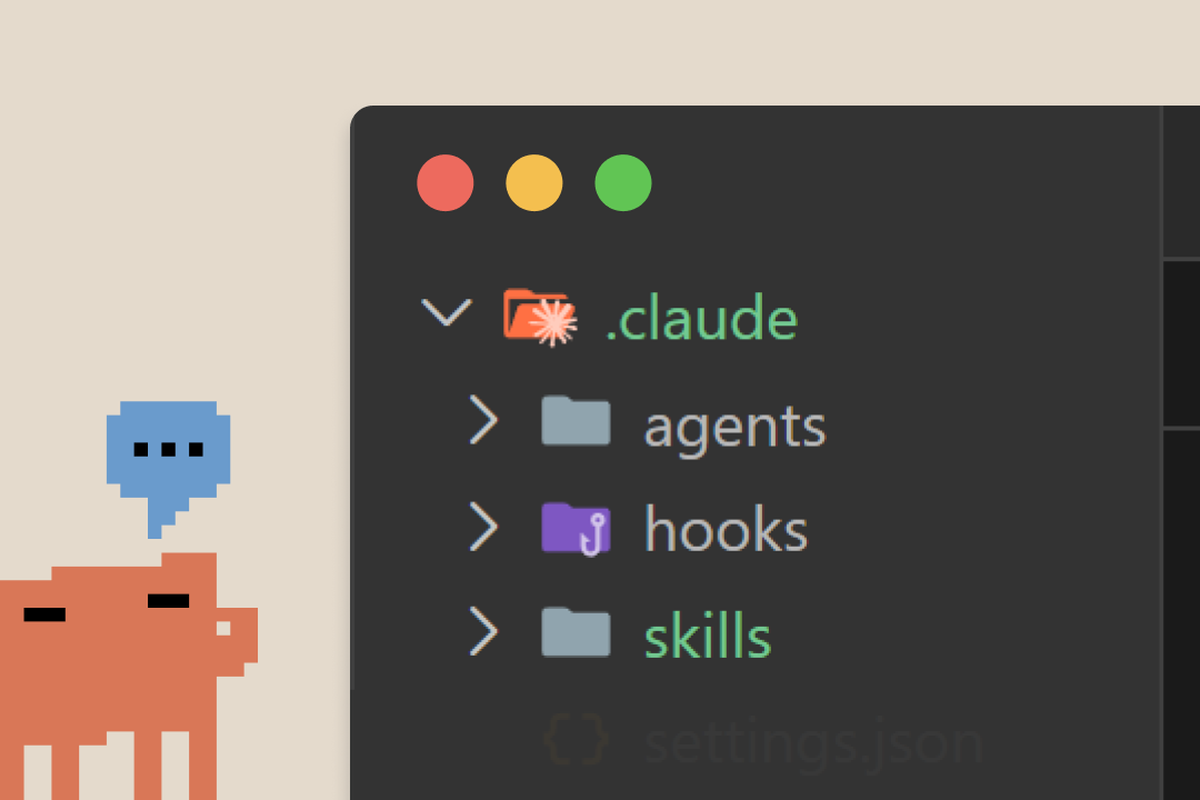
Several tutorials focus specifically on Cowork, a collaborative workspace feature currently in research preview, highlighting Anthropic's push to expand Claude beyond single-turn Q&A into persistent, project-oriented environments. Tutorials covering how to build plugins from scratch and how to customize them indicate that Anthropic is cultivating a developer and power-user ecosystem around Claude, paralleling the plugin and extension ecosystems seen with competing AI platforms. The Claude Code tutorials — including one on "remote control" and a comparison of skills versus other Claude Code features — suggest the coding-focused toolchain is maturing rapidly and requires dedicated instructional support.
The tutorial listing also reveals strategic product segmentation through the inclusion of model-selection guidance ("Choosing the right Claude model: Haiku, Sonnet, and Opus") and a dedicated tutorial on getting the most from Claude Opus 4.6. This reflects the tiered model architecture Anthropic has established, where different models serve different performance and cost profiles, and where user education is essential to ensuring customers deploy the appropriate tool for their needs. The existence of a financial services-specific onboarding tutorial further demonstrates that Anthropic is pursuing vertical market penetration, tailoring its educational content to regulated, high-stakes industries where trust and correct usage are paramount concerns.
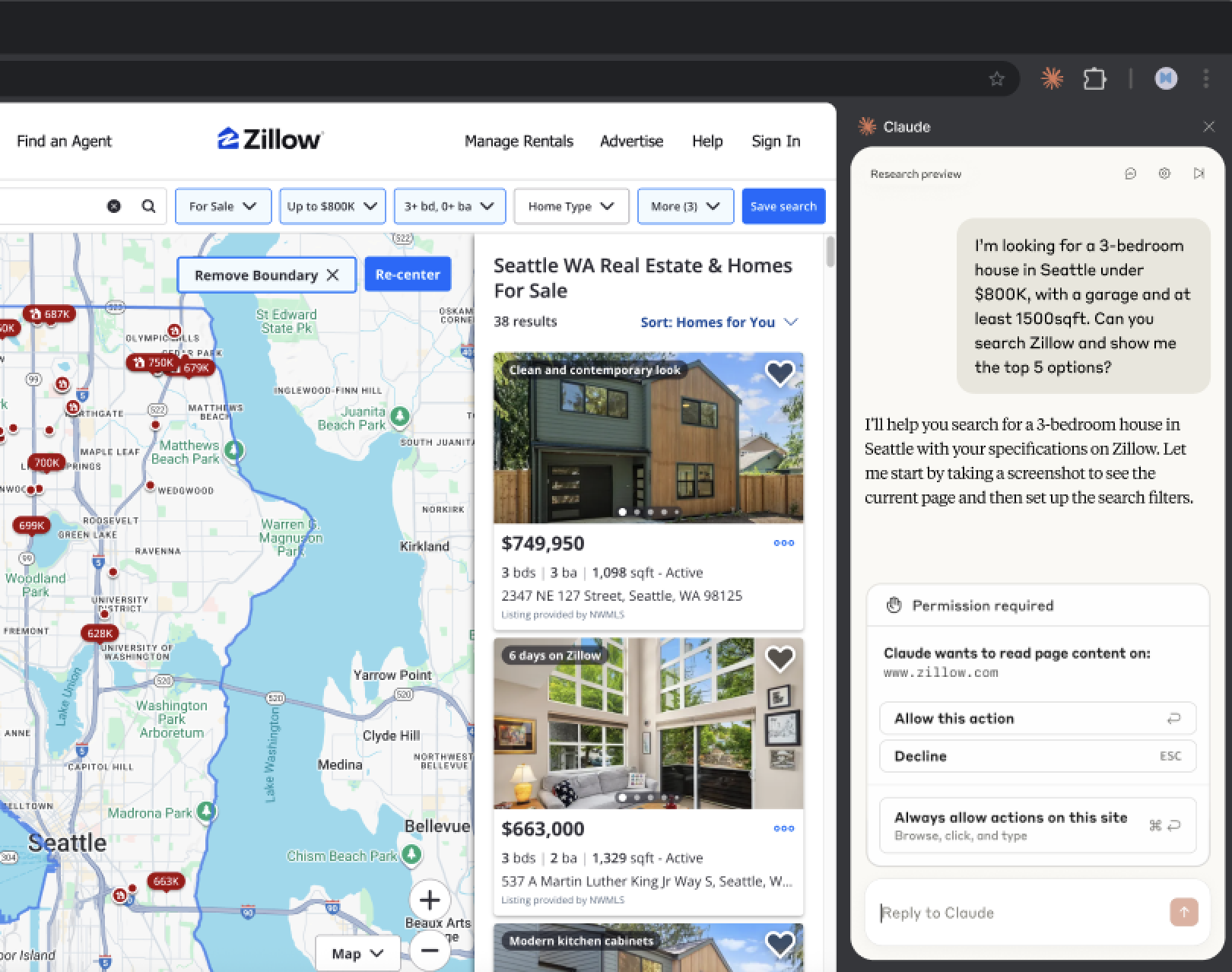
Taken together, the tutorials page illustrates a broader trend in frontier AI development: as models become more capable and their interfaces more complex, the companies building them are increasingly assuming responsibility for user competency development. Anthropic's investment in structured, multi-format educational content — spanning everything from Chrome browser integration to advanced agentic workflows in Cowork — reflects an industry-wide recognition that raw model capability alone does not determine adoption or impact. The long-term competitive advantage in the AI assistant market may hinge as much on how effectively companies teach users to leverage their tools as on the underlying technical performance of the models themselves.
.png)




.png)
 Read original article →