Detailed Analysis
Anthropic's Claude Fable 5 and Claude Mythos 5 models were subjected to emergency export controls by the US government on June 12, 2026, forcing the company to suspend access to both models for all users worldwide. The controls were triggered after Amazon researchers discovered a method of bypassing Fable 5's safeguards, enabling the model to identify software vulnerabilities and, in at least one case, produce code demonstrating how a vulnerability could be exploited. Because the directive took effect immediately and Anthropic had no reliable real-time nationality verification system, the company had no choice but to impose a blanket suspension rather than restrict access selectively to foreign nationals. The export controls on Fable 5 were lifted on June 30, enabling global redeployment on July 1, while Mythos 5 access was restored more narrowly to a set of vetted US organizations following separate government approval on June 26.
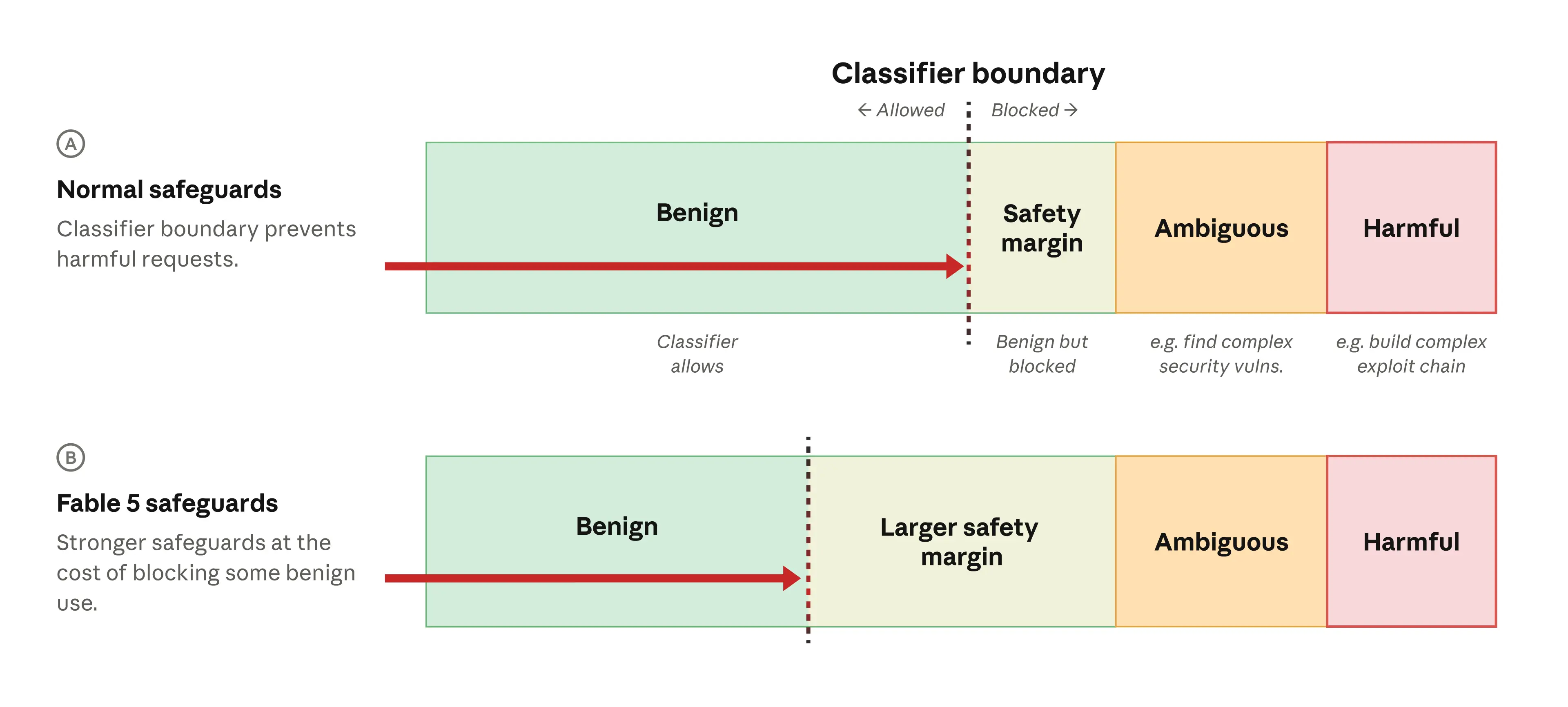
Anthropic's own investigation into the Amazon findings significantly complicated the government's initial framing of the risk. Testing confirmed that numerous less capable models—including Claude Opus 4.8, GPT-5.5, and Kimi K2.7—could replicate the same vulnerability identification, and that every model tested, including much smaller ones, could produce the same exploit demonstration flagged in the report. This evidence was central to Anthropic's argument that the bypass did not expose any unique offensive capabilities attributable to Fable 5 specifically, let alone Mythos-level capabilities. Nonetheless, Anthropic moved swiftly to develop and deploy an improved safety classifier that blocks the reported technique in over 99% of cases. The company acknowledged the new classifier introduces a trade-off, generating more false positives during routine coding and debugging tasks, a refinement challenge it intends to address over time.
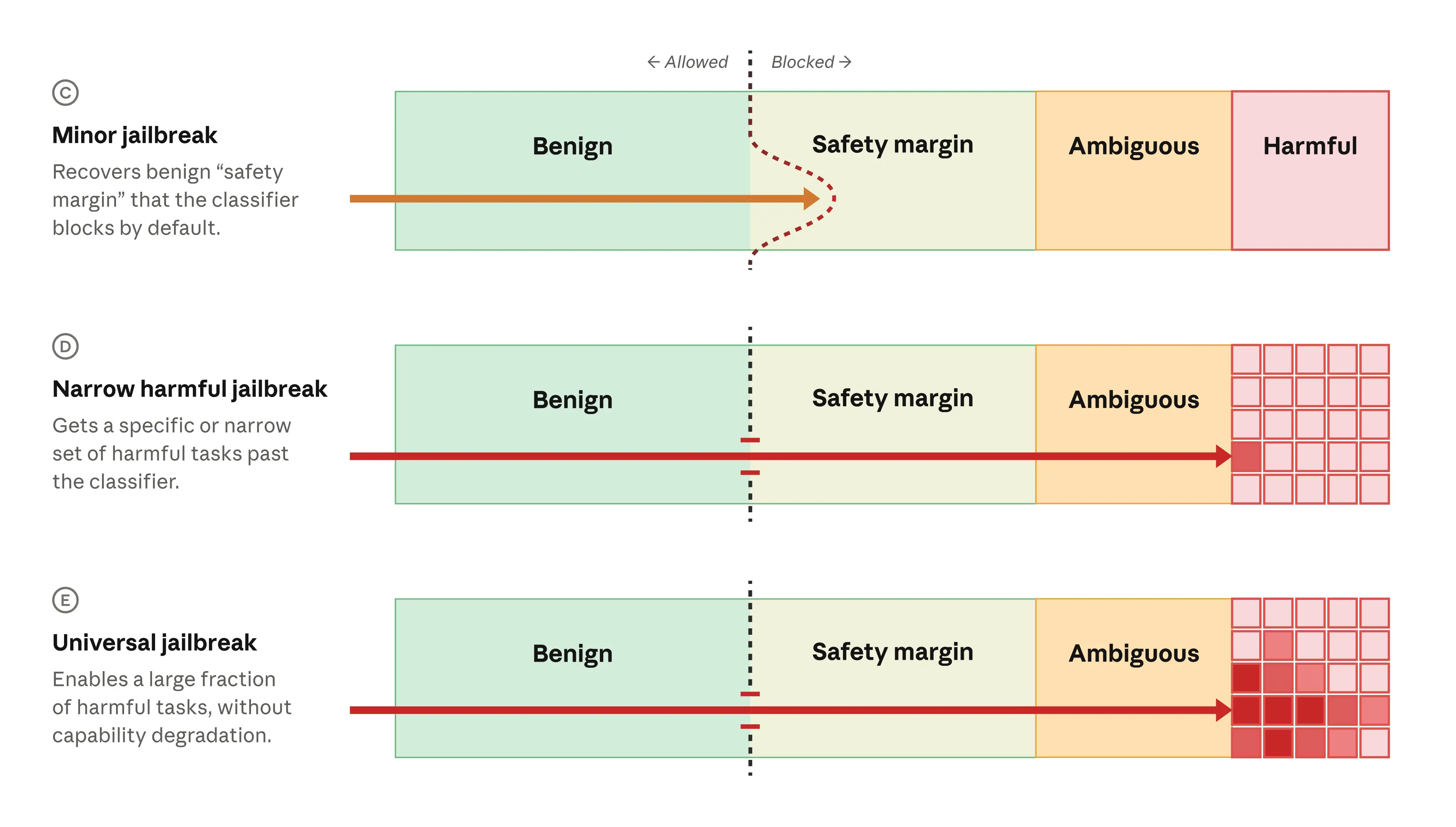
The episode has surfaced a more systemic gap in how the AI industry handles safeguard bypasses, or "jailbreaks," and Anthropic is now working with Amazon, Microsoft, Google, and other Project Glasswing partners to develop a shared framework for assessing their severity. Such a standard would allow AI developers to triage new bypass discoveries more consistently, support the confident launch of highly capable models, and create a common vocabulary for communicating risk levels to government and industry partners. The need for this framework underscores how quickly AI capabilities have outpaced the governance infrastructure designed to manage them—particularly in cybersecurity domains where the line between defensive and offensive utility is inherently ambiguous.
The Mythos 5 situation illuminates how Anthropic is navigating a two-tier deployment model for its most capable systems. While Fable 5 is designed for broad public use with robust safeguards, Mythos 5—described as exceeding all but the most skilled human security experts in finding and exploiting vulnerabilities—is reserved exclusively for trusted partners in the Glasswing program engaged in defensive cybersecurity work. The fact that Mythos 5 required government approval for even its limited domestic restoration, and remains unavailable to broader international partners pending further coordination, signals the degree to which frontier AI capabilities in the cybersecurity domain are increasingly subject to national security frameworks historically reserved for weapons and dual-use technologies.
This incident represents a significant inflection point in the relationship between frontier AI developers and the US government. Anthropic's commitment to deepen collaboration through pre-release testing, information sharing, and joint research reflects an emerging model in which AI companies effectively submit their most capable models to a form of regulatory pre-clearance before wide deployment. The speed at which export controls were applied—and the operational disruption that followed—will likely push the entire industry toward earlier and more structured government engagement during model development, rather than after deployment, fundamentally reshaping how the frontier AI development cycle is structured going forward.
 Read original article →