Detailed Analysis
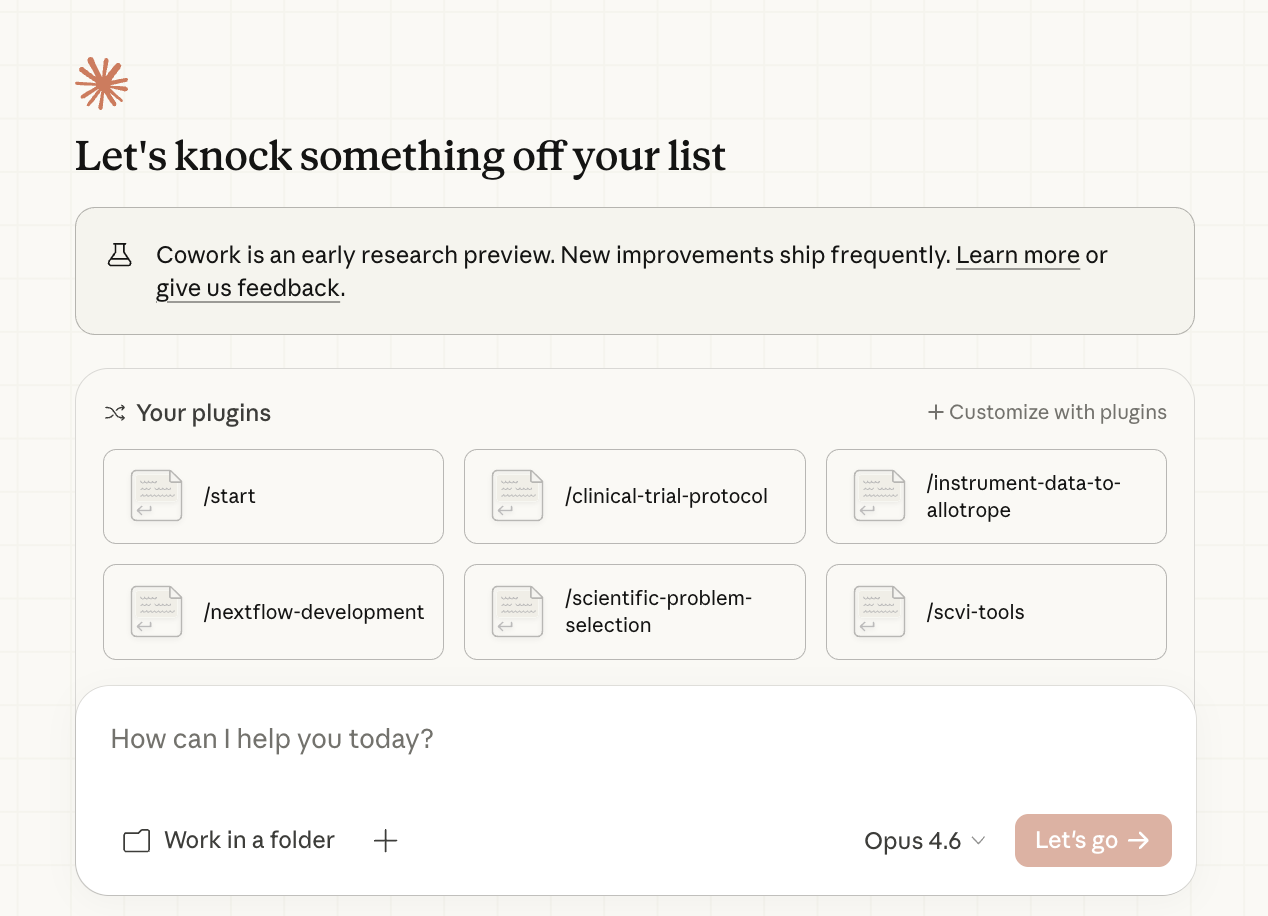
Anthropic has introduced Cowork, a research preview feature for Claude Desktop that extends the agentic execution capabilities of Claude Code into the domain of general knowledge work. Where Claude Code enabled developers to delegate complex programming tasks across file systems and codebases, Cowork applies the same underlying architecture — local file access, sub-agent orchestration, and sustained autonomous execution — to everyday professional tasks such as organizing documents, synthesizing research, generating reports, and managing recurring workflows. The feature runs directly on a user's desktop, operates within their actual folder structure, and produces deliverables saved to the local machine rather than generating ephemeral in-chat artifacts.
The technical architecture distinguishing Cowork from standard Claude chat interactions centers on two mechanisms: parallel sub-agent deployment and asynchronous task execution. Rather than processing complex, multi-part tasks within a single accumulating context window, Cowork can spin up independent sub-agents — each starting with a clean context — to handle discrete portions of a task simultaneously and then synthesize results. This design directly addresses one of the most persistent limitations of large language model chat interfaces: context degradation over long tasks. By breaking work into parallel, independently managed threads, Cowork enables the completion of tasks that would otherwise stall or lose coherence mid-execution in a conventional chat session.
The feature's positioning reflects a deliberate strategic expansion of Anthropic's product surface area from developer tooling toward enterprise and professional knowledge work. The example use cases — pulling from email, Slack, Google Drive, SharePoint, and Zendesk simultaneously to draft reports or analyze customer feedback — indicate deep integrations with the connected tools ecosystem that Claude Desktop already supports. The addition of scheduled recurring tasks, such as automated morning briefings or weekly team summaries drawn from live data sources, moves Cowork closer to the territory occupied by workflow automation platforms like Zapier or Make, but with natural language as the primary configuration interface rather than visual node-based editors.
Cowork's launch as a "research preview" places it within a broader industry pattern of AI companies shipping agentic products in graduated stages to gather user feedback and identify failure modes before wider rollout. The framing closely parallels how OpenAI has approached Operator and similar agentic features, and how Google has positioned Gemini's integration with Workspace tools. What distinguishes Anthropic's approach is the explicit emphasis on local file system access — Claude operating where work already lives — rather than a purely cloud-mediated abstraction layer. This local-first design choice has meaningful implications for enterprise adoption, particularly in sectors with data sensitivity concerns, as it reduces the surface area for data leaving a controlled environment. Together, these developments signal that the competitive frontier in AI assistants is shifting decisively from conversational fluency toward durable, multi-step autonomous execution across heterogeneous data sources and tool environments.
 Read original article →