Detailed Analysis
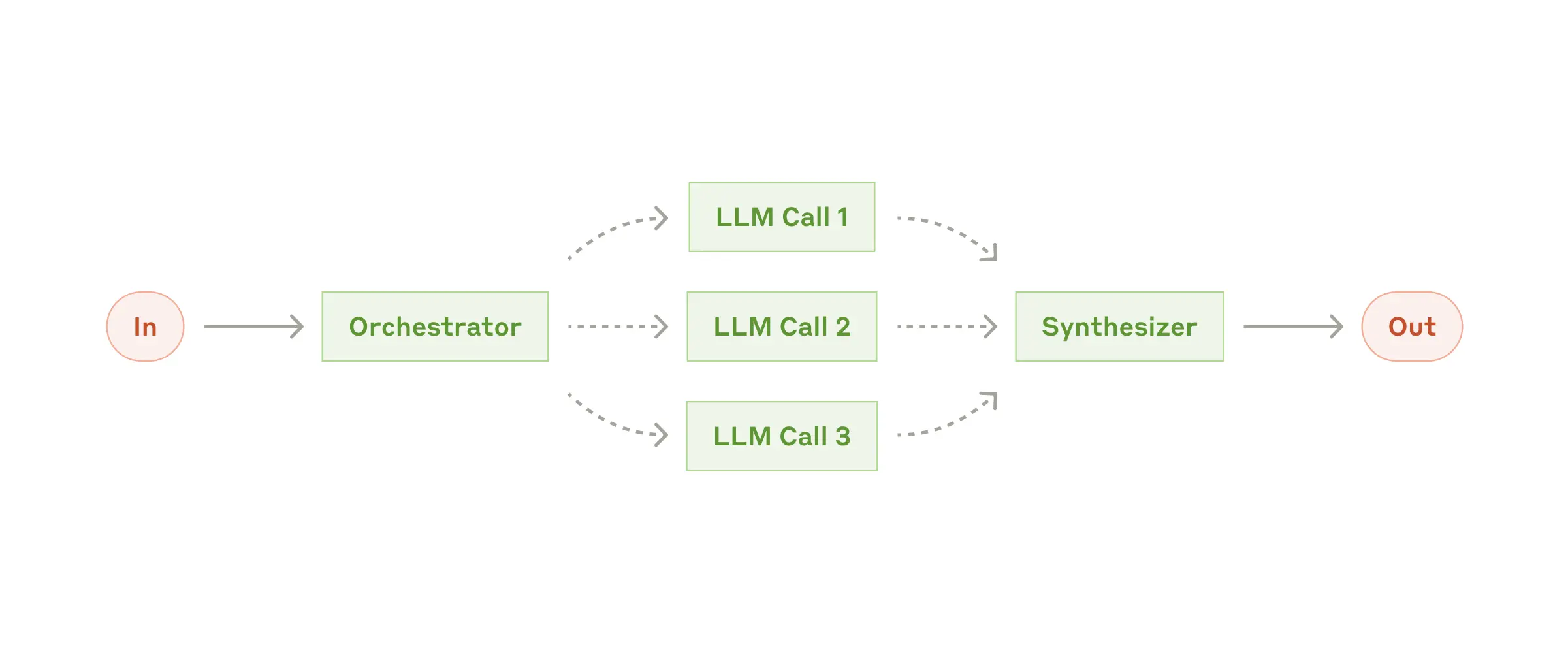
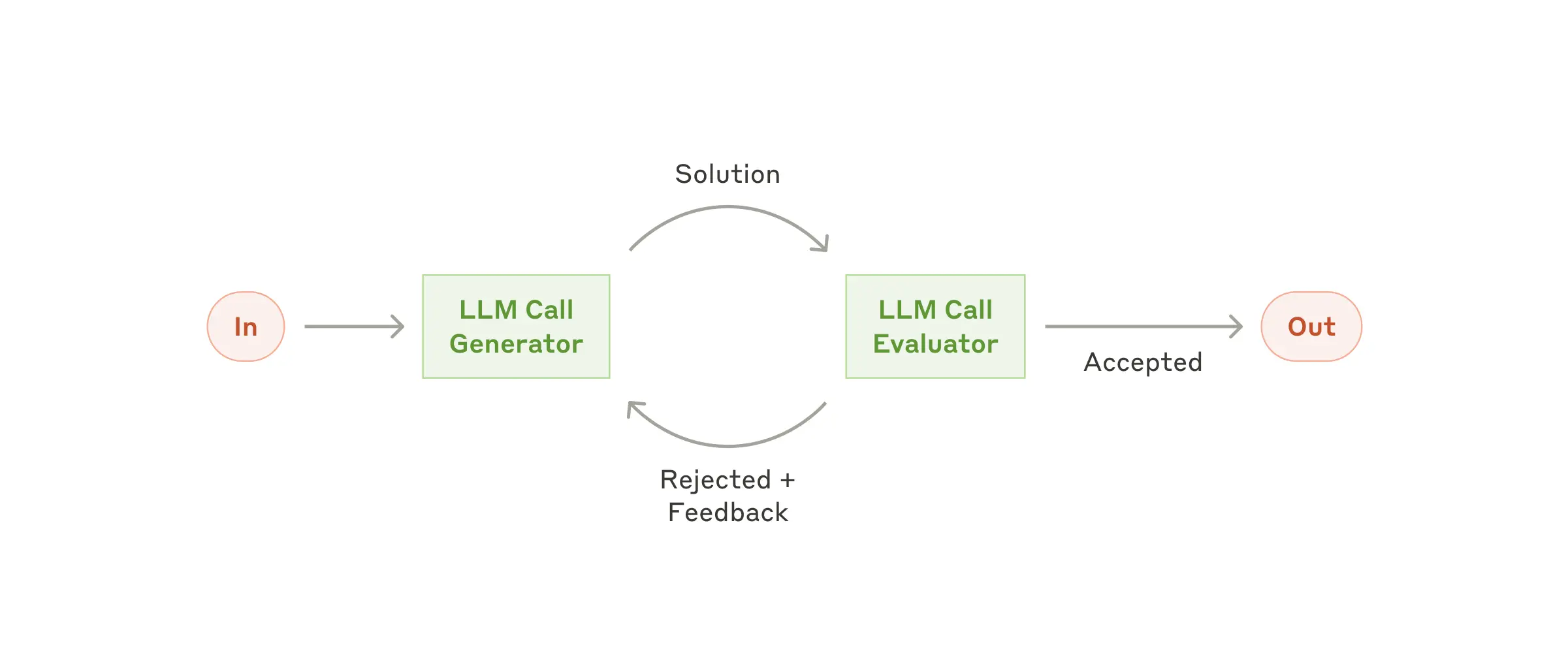
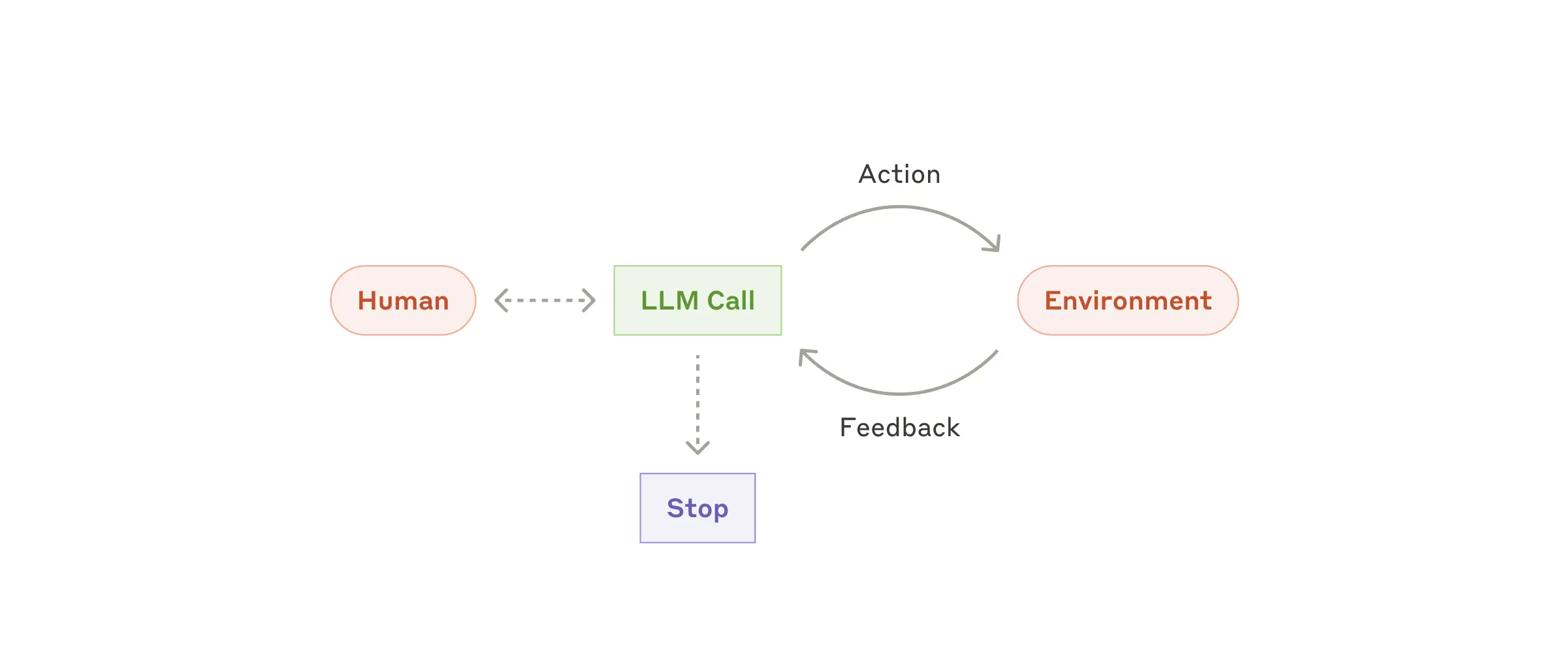
Anthropic's engineering and product teams have synthesized lessons from working with dozens of enterprise customers to publish a practical framework for building effective LLM-based agents. The document draws a foundational architectural distinction between two categories of agentic systems: **workflows**, in which LLMs and tools operate along predefined code paths, and **agents**, in which LLMs dynamically direct their own processes and tool usage in real time. This taxonomy matters because it forces developers to think clearly about the degree of autonomy their system actually requires, rather than defaulting to the most complex architecture available. The guidance is notably conservative, explicitly recommending that developers start with the simplest possible solution — often a single optimized LLM call with retrieval and in-context examples — and escalate to full agentic architectures only when the task genuinely demands it.
A central theme throughout the article is skepticism toward heavyweight frameworks. While Anthropic acknowledges the existence of tools like the Claude Agent SDK, AWS's Strands Agents SDK, Rivet, and Vellum, it cautions that these abstractions can obscure the underlying prompt-and-response mechanics, making debugging more difficult and creating a temptation to over-engineer solutions. The preferred approach is to interact with LLM APIs directly, implementing common patterns in minimal code before introducing any framework layer. This position is significant coming from Anthropic itself — the company is actively discouraging over-reliance on its own tooling in favor of developer understanding and transparency, a posture that prioritizes long-term system reliability over short-term development velocity.
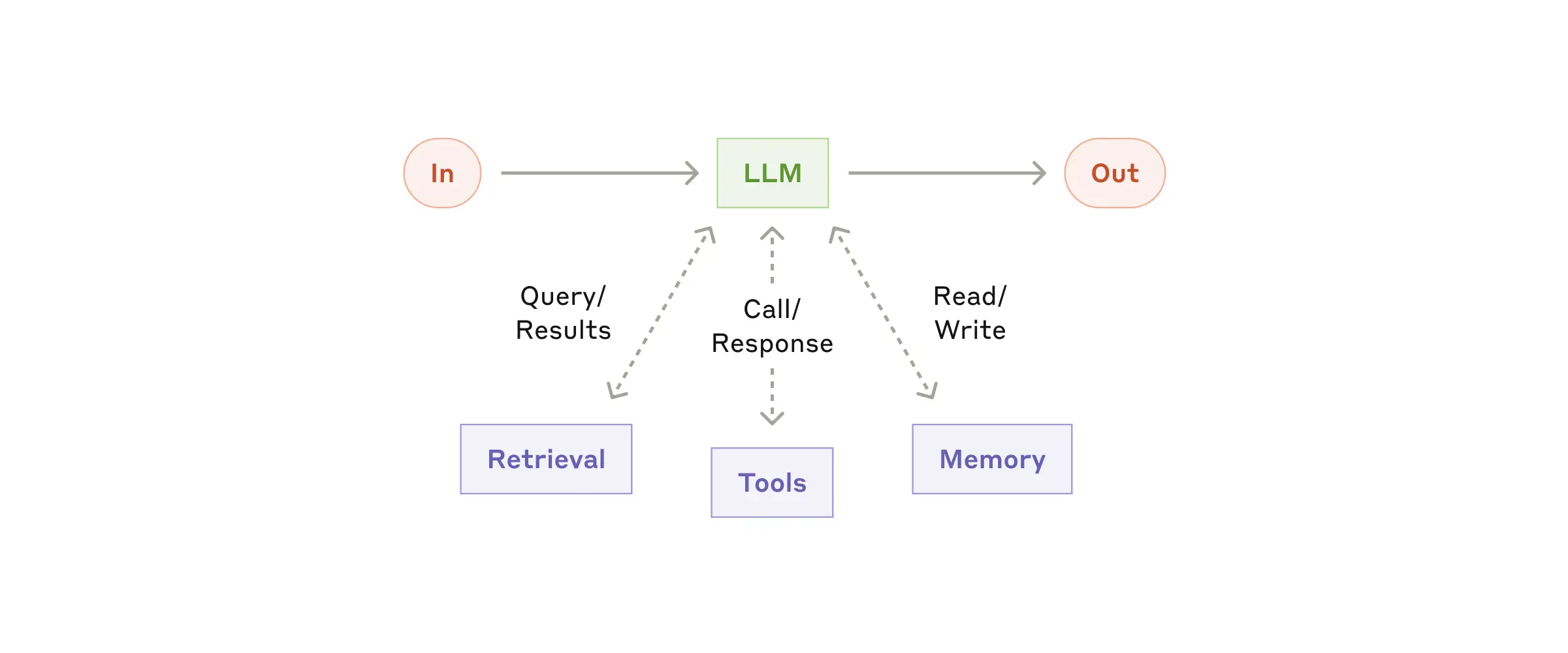
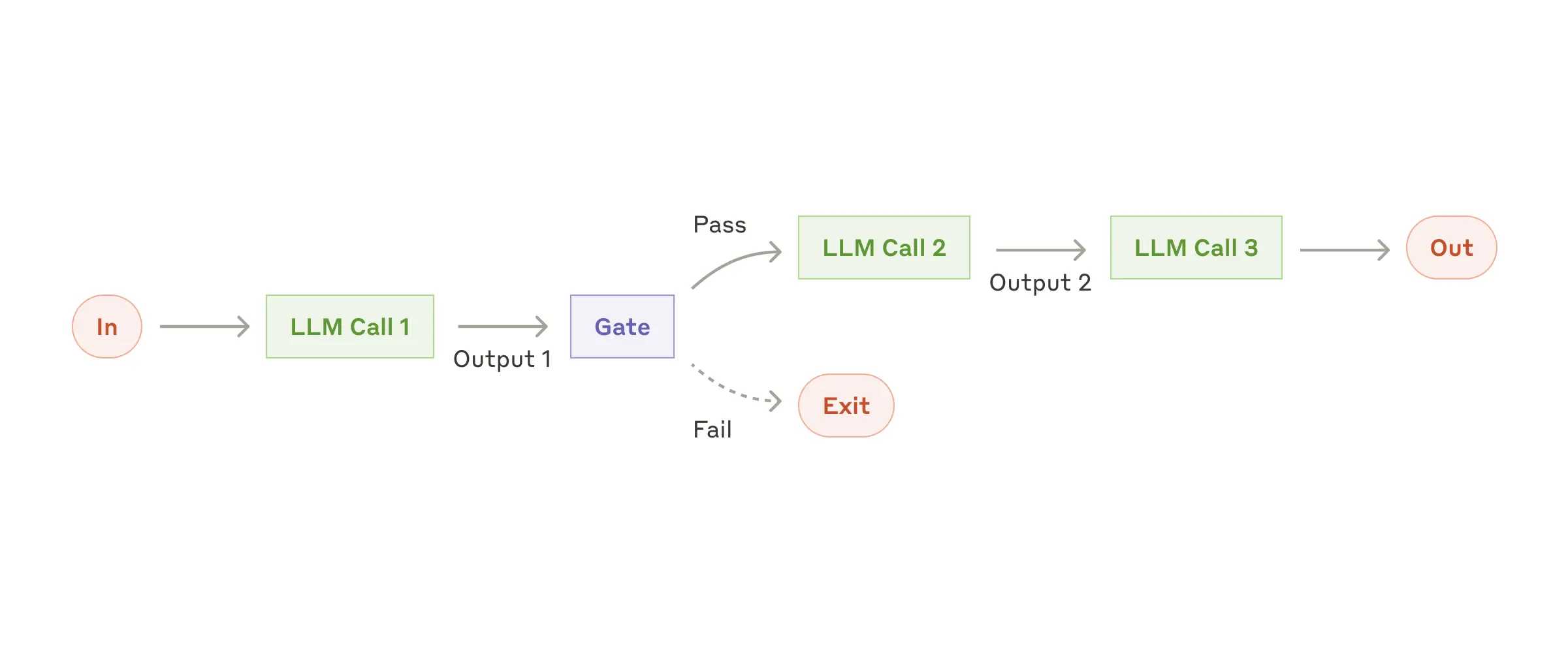
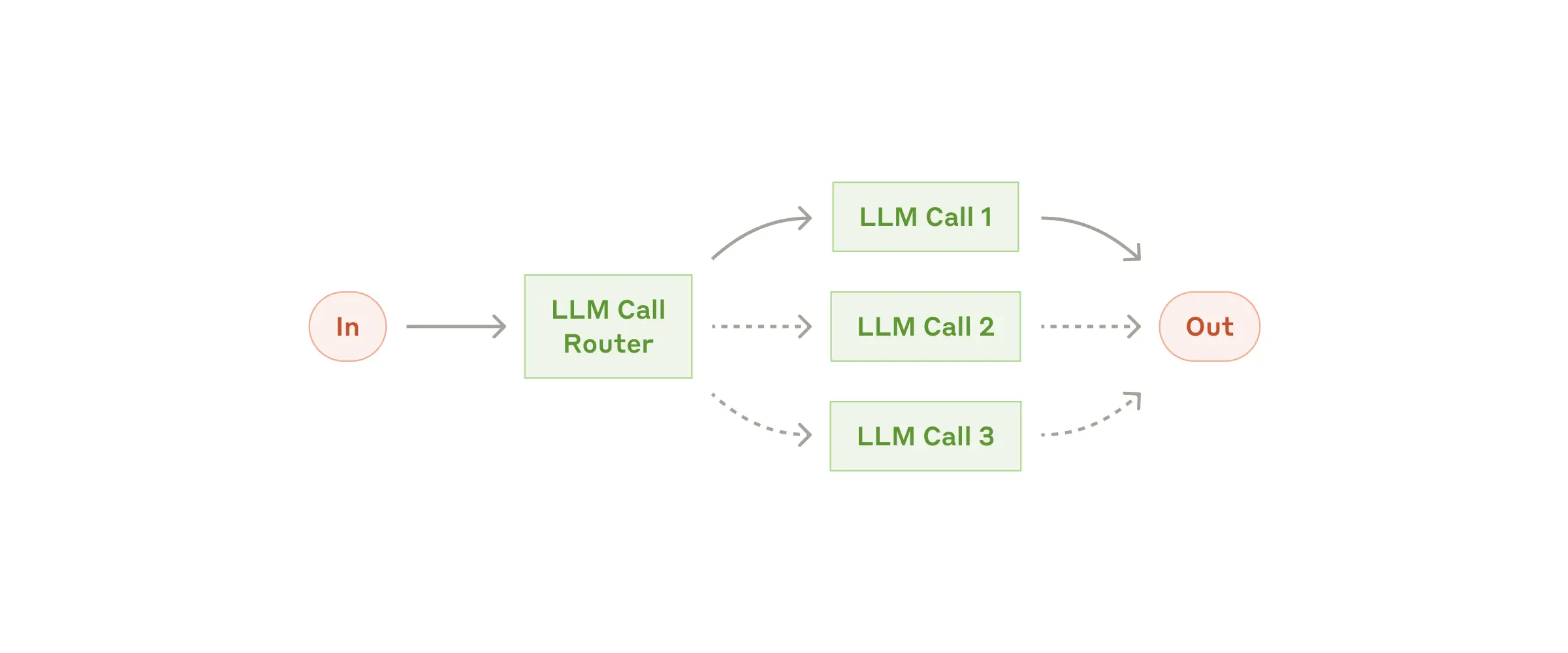
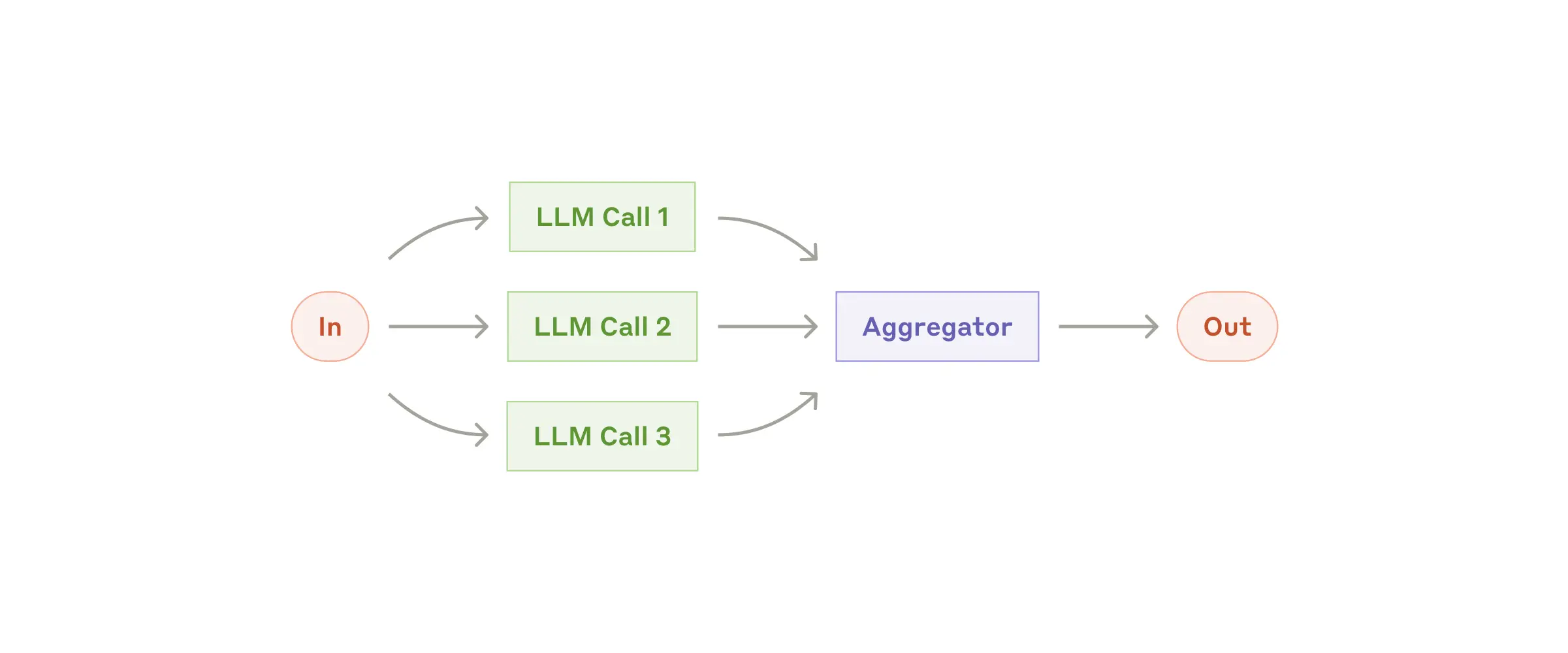
The article's treatment of specific workflow patterns — prompt chaining, routing, and the augmented LLM as a foundational building block — reveals how Anthropic conceptualizes the ladder of complexity in production systems. Prompt chaining decomposes tasks into sequential LLM calls with optional programmatic gates, trading latency for accuracy on well-structured problems. Routing directs inputs to specialized downstream processes based on classification, enabling, for example, cost optimization by sending simpler queries to lighter models like Claude Haiku 4.5 and reserving more capable models like Claude Sonnet 4.5 for harder tasks. These patterns reflect a compositional philosophy: complex behavior should emerge from layering simple, well-understood primitives rather than from monolithic or opaque system designs.
The broader significance of this document lies in its timing and authority. As the AI industry in 2026 has seen rapid proliferation of agent frameworks, orchestration layers, and autonomous system deployments, Anthropic's explicit advocacy for restraint and simplicity represents a counterweight to the prevailing enthusiasm for maximal automation. The guidance also integrates Anthropic's Model Context Protocol (MCP) as a recommended standard for connecting augmented LLM capabilities to third-party tool ecosystems, suggesting the company is positioning MCP not merely as a product feature but as an infrastructure standard for the agentic application layer. The document's tone — grounded in production experience rather than theoretical capability — signals that Anthropic sees responsible, debuggable, and maintainable agent design as a competitive differentiator for enterprise adoption, as much as raw model performance.
 Read original article →