Detailed Analysis
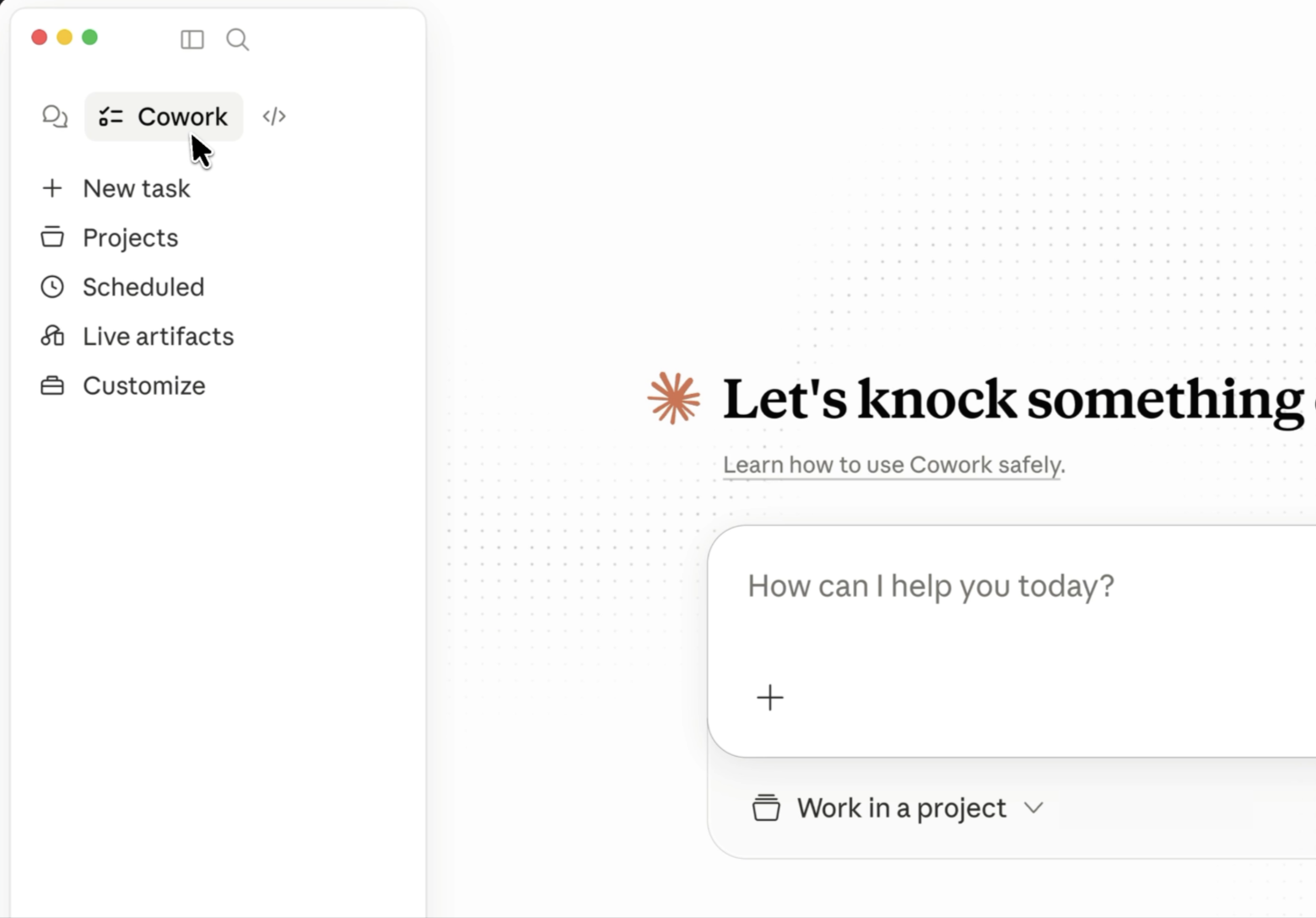
Anthropic's Claude Cowork represents a significant step toward agentic AI deployment at the consumer level, positioning Claude not merely as a conversational assistant but as an autonomous task-execution agent capable of operating directly on a user's local machine. The tutorial page, published on the official Claude resources hub, introduces users to a workflow in which they can delegate entire tasks — rather than individual prompts — to Claude, with the AI working across local file systems, browser environments, and third-party tool connectors simultaneously. The accompanying video walkthrough covers three foundational steps: granting folder access, configuring connectors, and submitting an initial delegated task, signaling that Anthropic is actively building user-facing infrastructure designed for sustained, multi-step autonomous operation.
A notable design choice embedded in the Cowork framework is the plan-review step, in which Claude presents its intended course of action before executing changes on the user's machine. This reflects Anthropic's well-documented emphasis on human oversight during agentic workflows — a principle central to its Constitutional AI approach and its published model safety documentation. By requiring explicit or at least visible approval before making local file changes, Anthropic is attempting to balance operational autonomy with meaningful human control, a tension the broader AI industry has struggled to resolve as agentic systems grow more capable. The existence of a related tutorial titled "Getting started with Claude Security" further suggests that Anthropic is treating user trust and system access permissions as first-class product concerns alongside raw capability.
The reference to a "Blender Connector" in the related tutorials is particularly telling about the direction of Claude Cowork's integration ambitions. Blender is a professional-grade 3D modeling and animation application, and its inclusion alongside general connectors suggests Anthropic is targeting not just productivity or document-management use cases but creative and technically specialized professional workflows. This positions Claude Cowork in direct competition with emerging agentic platforms from OpenAI, Google, and Microsoft, all of which are racing to establish their AI systems as capable of operating persistently within desktop and creative software environments rather than being confined to chat interfaces.
The broader significance of Claude Cowork lies in what it signals about the maturation of the consumer AI market. The page's inclusion of pre-written prompts for tasks like writing improvement, brainstorming, exam preparation, and programming concept explanation indicates that Anthropic is deliberately designing Cowork to lower the barrier to agentic use — essentially scaffolding delegation behaviors for users who may not be accustomed to thinking of AI as a task executor rather than a reactive chatbot. This pedagogical design strategy, in which the product teaches users how to interact with it through curated example prompts and tutorial workflows, mirrors tactics used by earlier productivity SaaS platforms during their own adoption curves. As agentic AI transitions from developer preview into mainstream use, the question of how companies design human-AI collaboration interfaces — not just the underlying models — will increasingly determine competitive outcomes in the space.
 Read original article →