Detailed Analysis
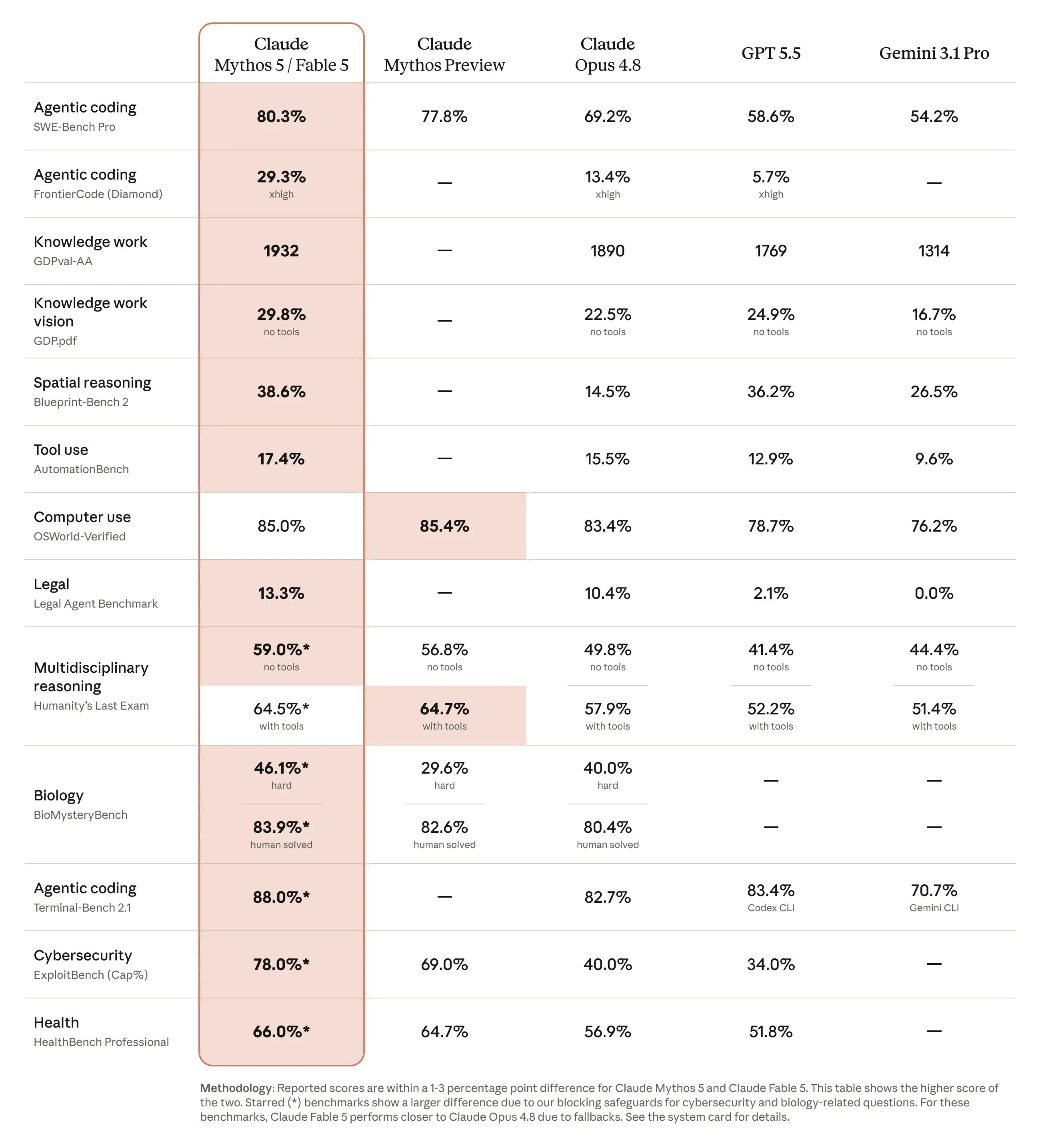
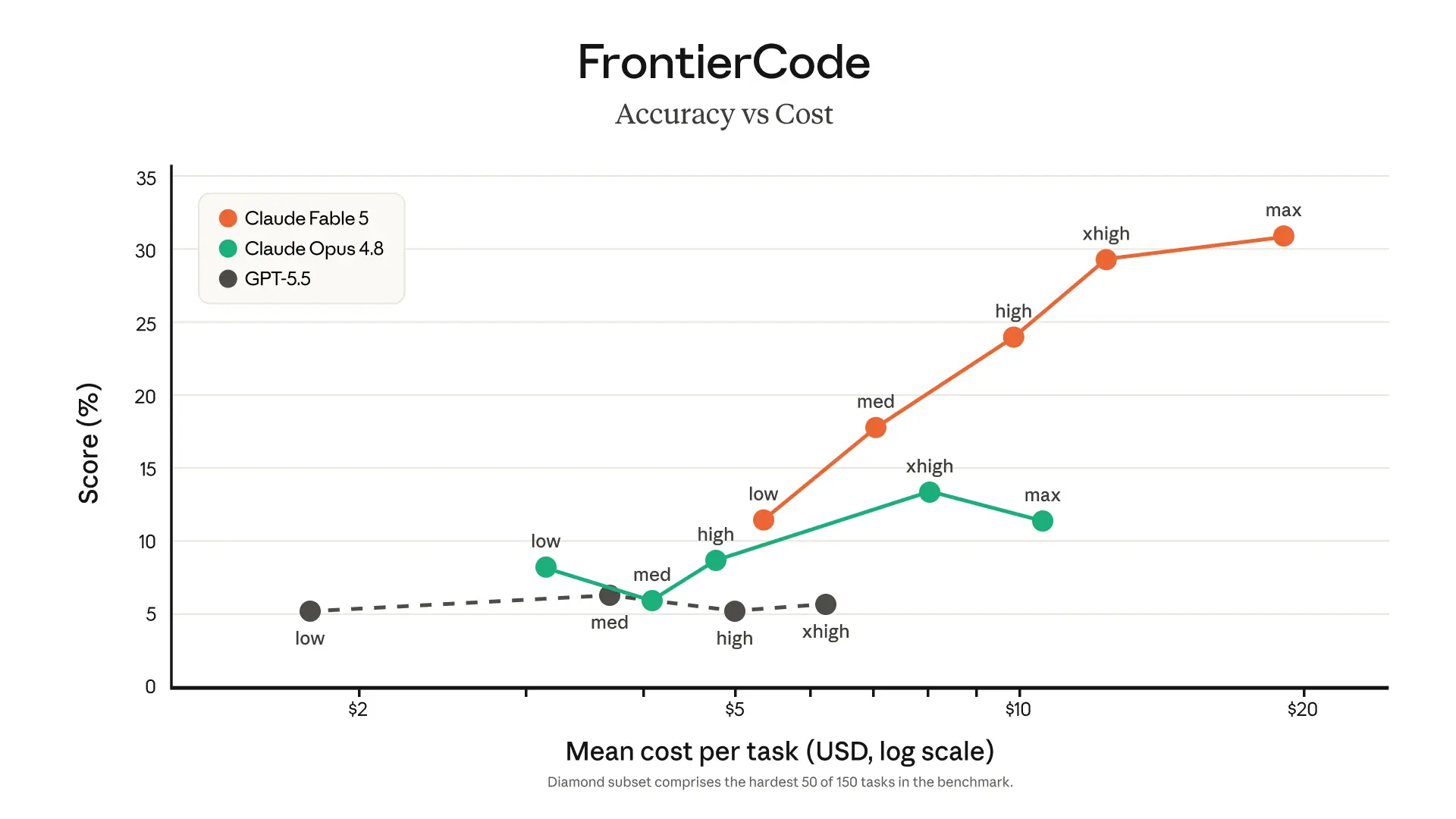
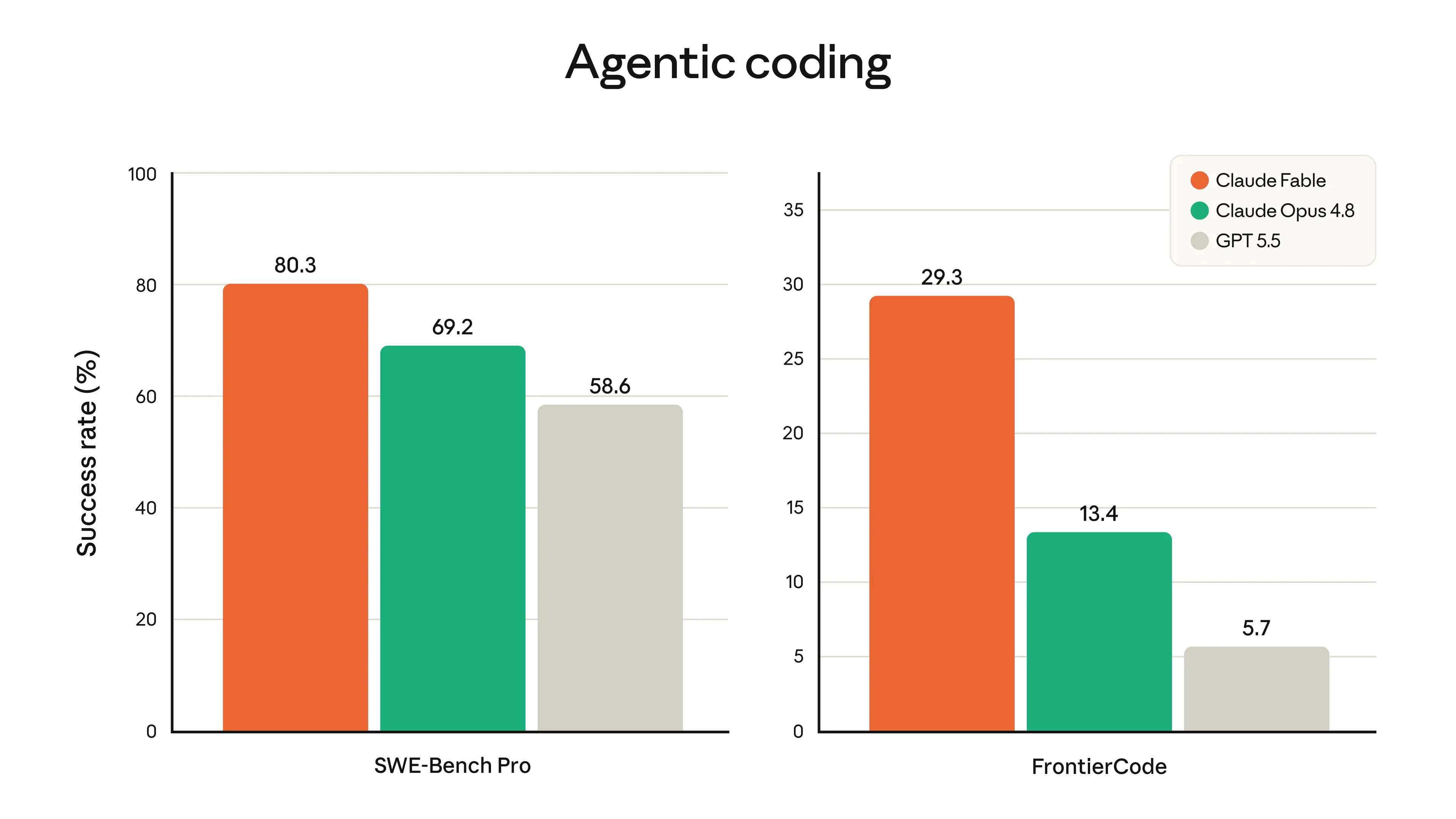
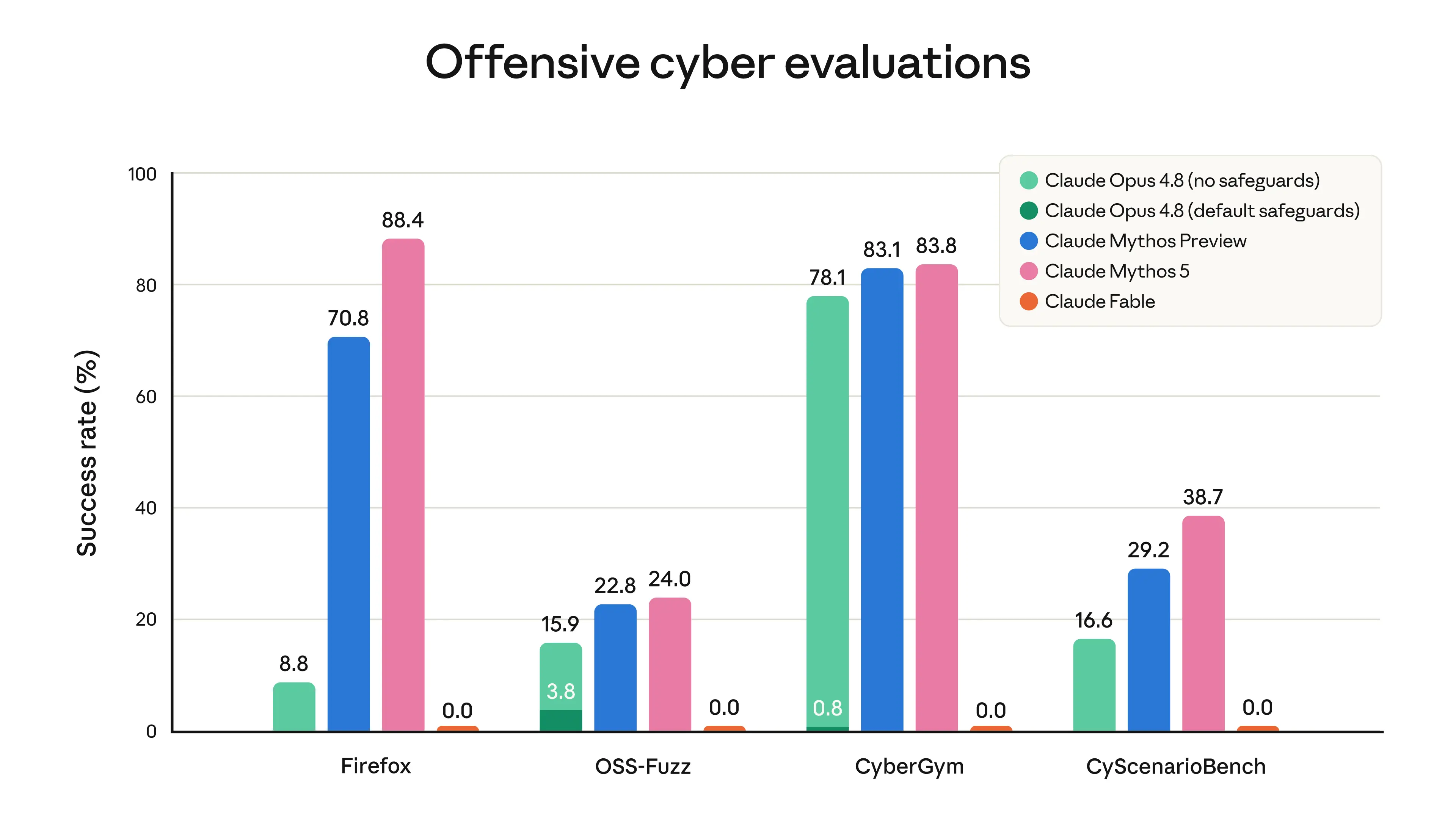
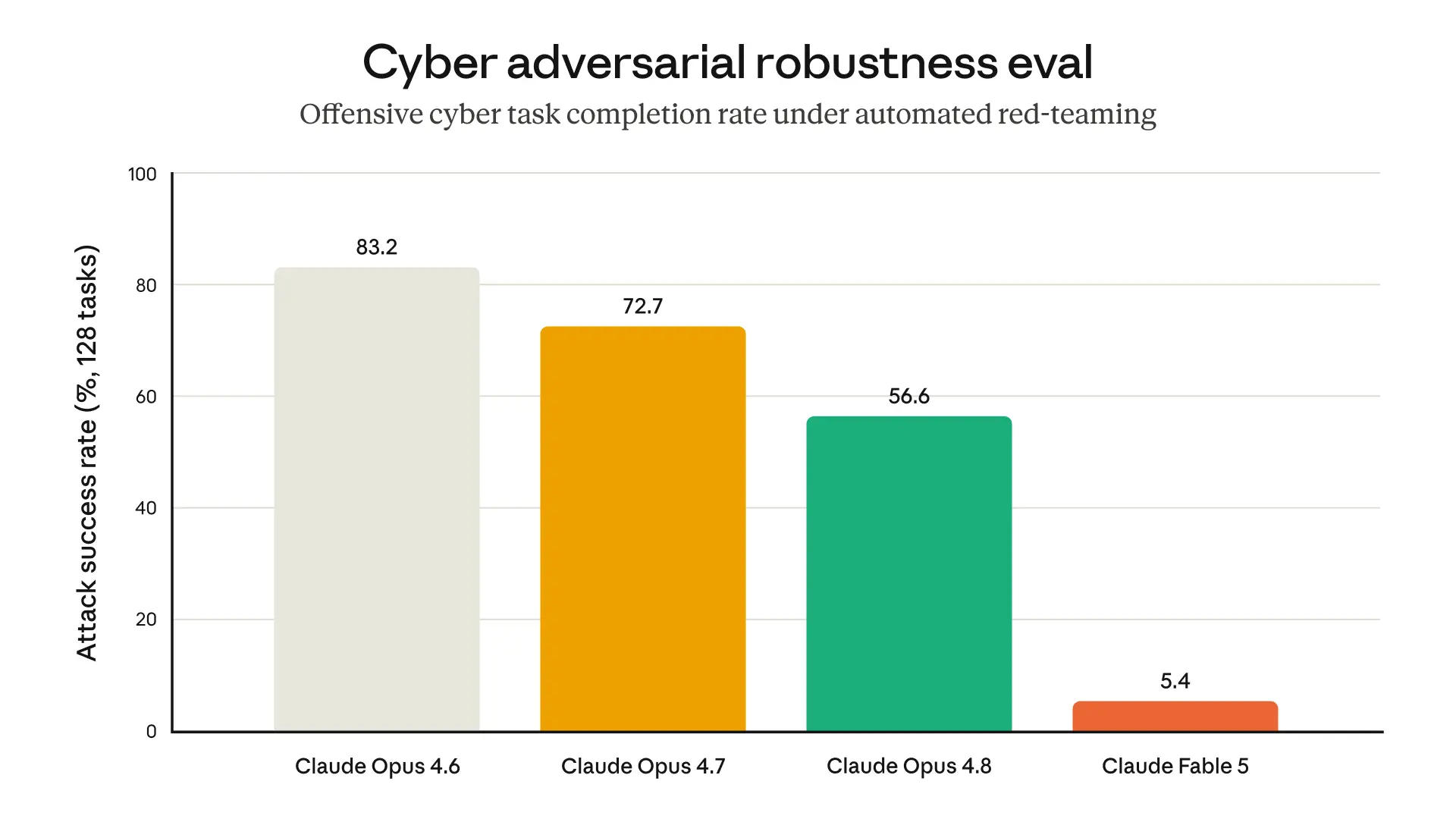
Anthropic has launched two new frontier AI models, Claude Fable 5 and Claude Mythos 5, representing what the company describes as its most capable systems to date and a significant milestone in its strategy of tiered access based on capability and safety considerations. Fable 5 is positioned as a general-availability model exceeding the capability of any previous Anthropic release, achieving state-of-the-art performance across software engineering, knowledge work, vision, scientific research, and long-context reasoning benchmarks. Critically, Anthropic has implemented conservative safeguards that reroute sensitive queries — particularly in cybersecurity — to Claude Opus 4.8, triggering in fewer than 5% of sessions on average. The underlying model shared between Fable 5 and Mythos 5 is identical; the distinction lies in which safeguards remain active. Mythos 5 lifts certain restrictions for a narrow, vetted audience of cyberdefenders and infrastructure providers, deployed initially through Project Glasswing in partnership with the U.S. government. Both models are priced at $10 per million input tokens and $50 per million output tokens, which Anthropic notes is less than half the cost of the prior Claude Mythos Preview.
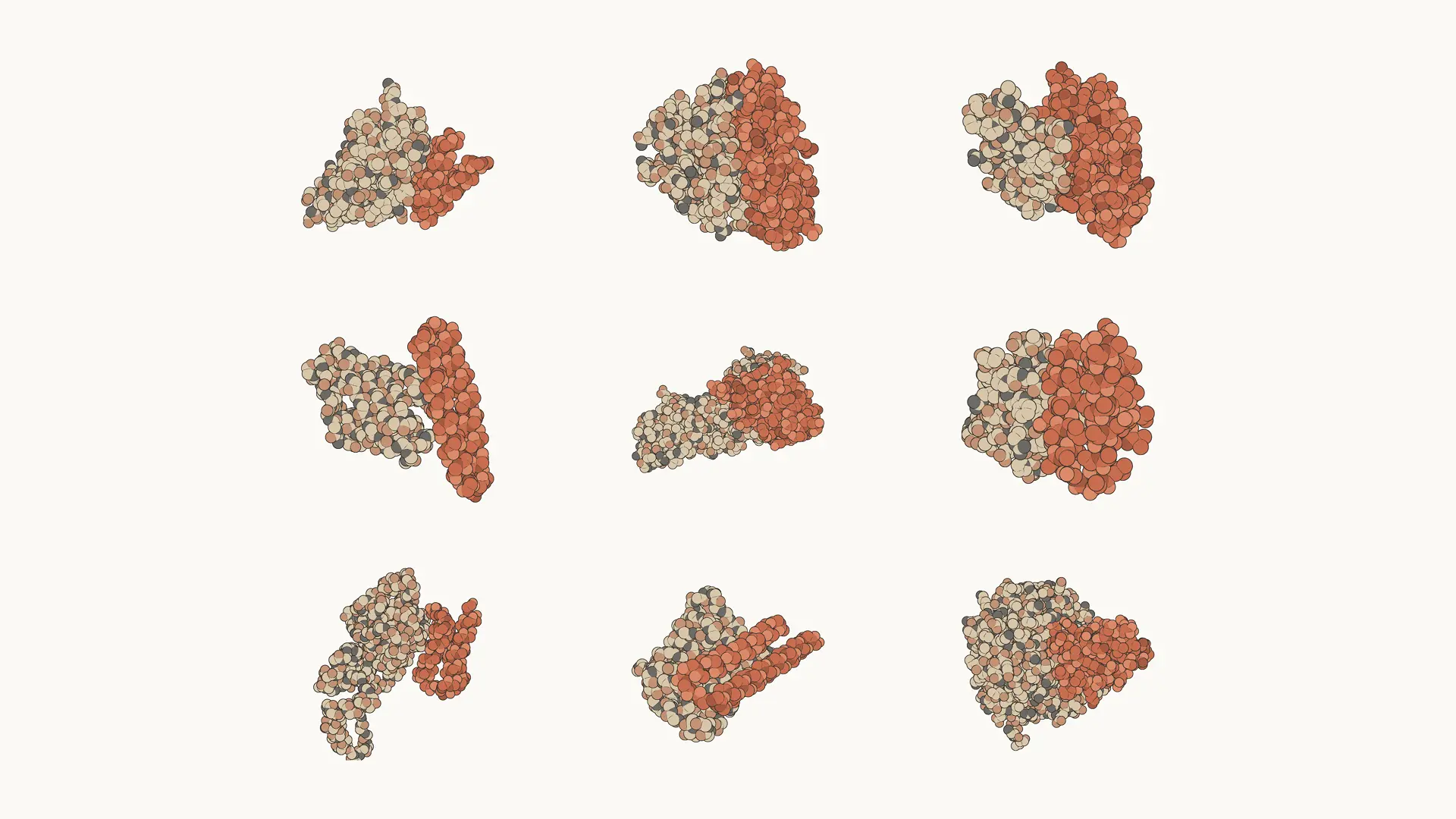
The practical capability demonstrations cited in the announcement are notable for their specificity and scale. Stripe reported that Fable 5 compressed months of engineering work into days, executing a codebase-wide migration across a 50-million-line Ruby repository in roughly one day — a task estimated to require a full team over two months. On Hebbia's Finance Benchmark and IMC's internal trading-analysis evaluations, Fable 5 achieved top scores across a range of analytical subtasks. The vision capabilities are particularly striking: the model completed Pokémon FireRed using only raw game screenshots and no supplementary harness, a task that required complex scaffolding with earlier Claude versions. Internally, Anthropic's scientists used Mythos 5 to accelerate aspects of drug design by approximately tenfold, with the model autonomously completing protein design workflows — selecting binding sites, running tools, and recovering from failures — across 14 protein targets, nine of which yielded strong drug design candidates currently under investigation.
The dual-model launch reflects a deliberate architecture for managing risk at the capability frontier. Rather than simply withholding the most powerful model or releasing it without restriction, Anthropic has created a bifurcated structure: Fable 5 represents a "domesticated" version of the same underlying system, while Mythos 5 is treated as controlled infrastructure for specialized professional use. This approach acknowledges that the same capabilities enabling beneficial use — particularly in cybersecurity — also present misuse risks, and that a single policy regime cannot simultaneously serve both general consumers and security professionals. The Project Glasswing collaboration with the U.S. government signals that Anthropic views state-level partnerships as a necessary distribution mechanism for models operating at this capability tier, rather than purely a commercial API product.
The announcement positions Anthropic at the center of several converging trends in AI development. First, the shift from narrow task performance to sustained autonomous operation — what Anthropic calls the ability to "work autonomously for longer" — marks a transition from AI as a query-response tool to AI as an extended-duration agent capable of executing complex multi-step workflows without human intervention. Second, the explicit integration of scientific research as a flagship use case, particularly drug design and molecular biology hypothesis generation, reflects a broader industry movement toward AI as a genuine contributor to scientific knowledge rather than merely a productivity layer. Third, the pricing structure — dramatically lower than the predecessor model — continues the industry pattern of rapidly commoditizing frontier capabilities, which simultaneously democratizes access and accelerates competitive pressure across the sector. The explicit acknowledgment of false positives in the safety filter, and the commitment to reduce them as more capable models arrive, also reflects a maturing public discourse about the tradeoffs inherent in frontier model deployment.















 Read original article →